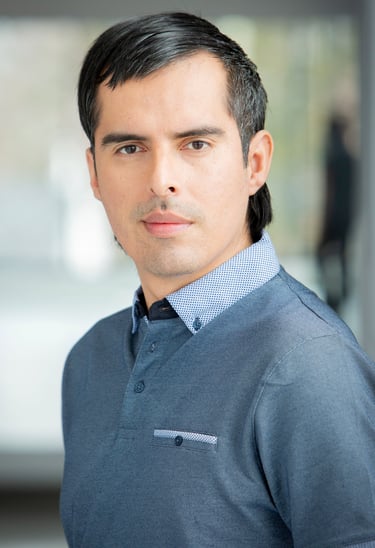
Felipe S. Barbaza is an anthropologist exploring cultural, symbolic, and experiential forms of knowledge across different traditions of the Americas. His work focuses on Indigenous knowledge systems, particularly ritual traditions, healing practices, and cosmologies in North America, Mesoamerica, and the Andes.
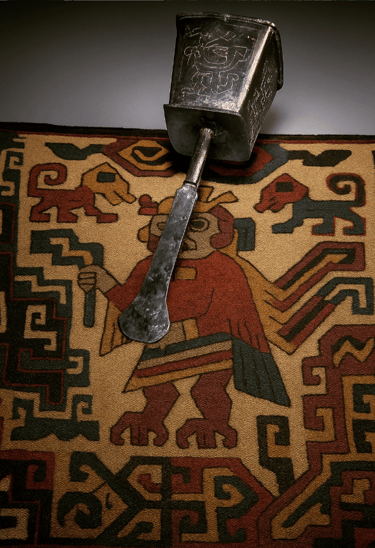
Through his research and fieldwork across the Americas, including extended stays in the Andean region, he examines the relationships between humans, nature, and the symbolic and spiritual dimensions of the world. His approach seeks to understand how these forms of knowledge continue to shape contemporary practices and conceptions of well-being.
Developing his own methodological perspective, he places particular emphasis on lived experience and embodied perception as ways of accessing and interpreting cultural knowledge. His work explores how sensory and experiential dimensions contribute to the transmission and understanding of ritual practices and worldviews.
His research is grounded in a dialogue between local knowledge systems and anthropological perspectives. By highlighting the richness of Andean cultures, he contributes to a deeper understanding of the worldviews that connect territory, memory, and ritual practices.
Through his writings, lectures, and fieldwork projects, Felipe S. Barbaza shares reflections on the cultural heritage of the Andes and its significance in the contemporary world.
His work explores the symbolic, imaginative, and experiential dimensions through which human beings relate to memory, territory, ritual, and the unseen aspects of existence, giving rise to expansive narrative cycles and interconnected literary universes inspired by cultural traditions, mythologies, and worldviews from different parts of the world.